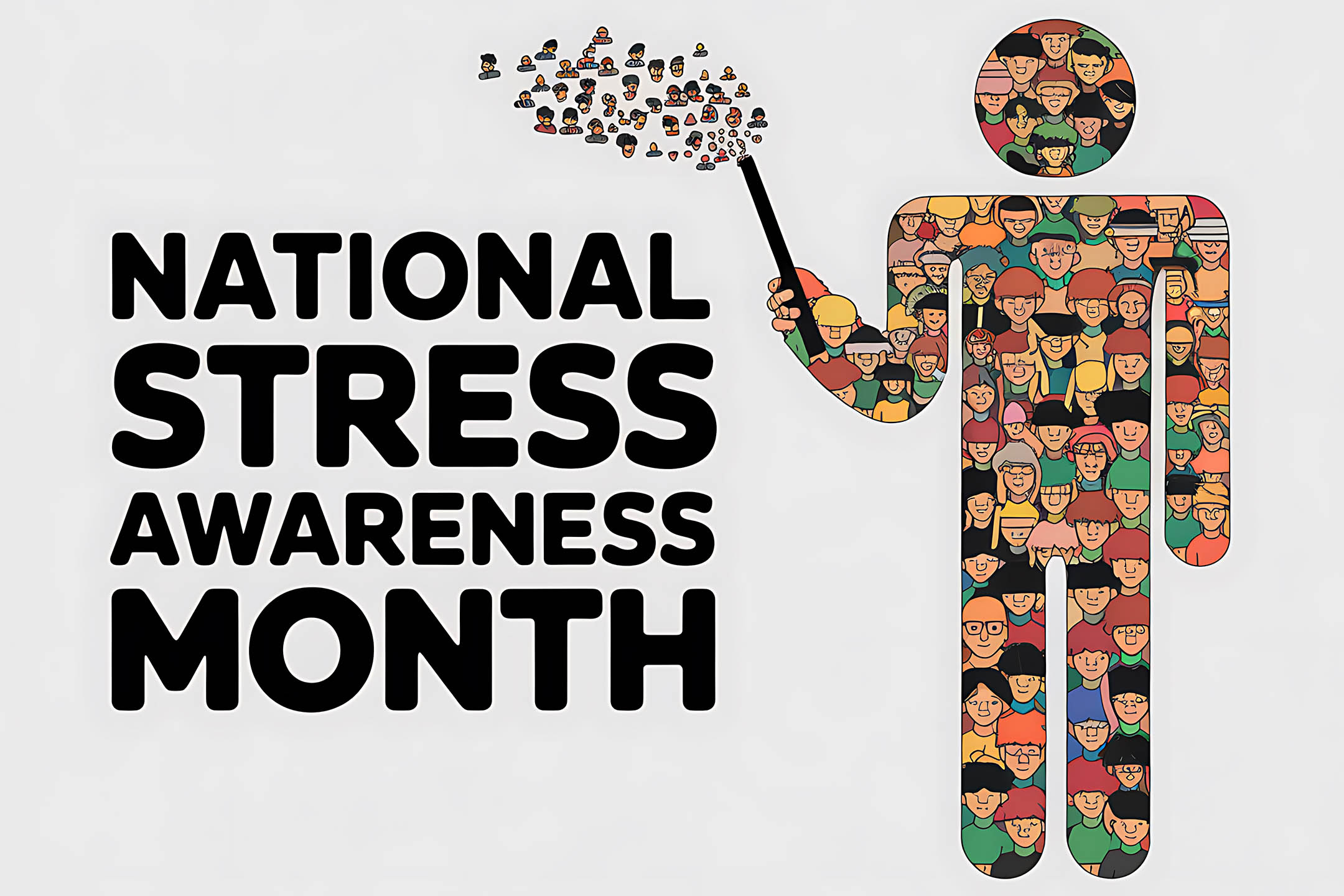

Stress Awareness Month is a timely reminder that stress is something every workplace needs to take seriously. Stress is not always negative and in the right dose, it can motivate us and help people perform at their best. The problem comes when stress becomes constant and part of everyday working life.
Understanding the difference between good stress and bad stress is the first step in supporting a healthier, more resilient workforce.
Good stress vs bad stress
Good stress, often referred to as acute or positive stress, is usually short term and linked to a specific challenge or deadline. Preparing for a presentation, stepping into a new role, or launching a project can all trigger stress responses. In these moments, stress can increase energy levels and drive performance. Once the task passes, stress levels fall back to normal.
Bad stress is different. It is ongoing, unpredictable, and often linked to a lack of control or inadequate support. Heavy workloads with no recovery time, unclear expectations, job insecurity, or sustained pressure without recognition can all contribute. When stress becomes chronic, the body stays in a heightened state of alert long after it should have switched off. This prolonged exposure is where stress becomes harmful.
The impact of prolonged stress
Long term stress has a wide impact on both physical and mental health. Employees experiencing chronic stress are more likely to suffer from headaches, sleep problems, digestive issues and weakened immune systems. Over time, stress increases the risk of more serious conditions such as cardiovascular disease and high blood pressure.
The psychological effects are just as significant. Prolonged stress is strongly linked to anxiety, burnout and depression. Employees may struggle which leads to engagement dropping, mistakes increasing and absence becomes more frequent.
For employers, this often shows up as lower productivity, higher sickness absence and increased staff turnover. For employees, it can affect relationships, confidence and overall quality of life. That is why stress should be treated as a core people issue rather than an individual problem to manage alone.
How employers can support stress with benefits
While culture and management behaviour play a major role, employee benefits can be a powerful way to support stress in the workforce when they are used well.
Here are practical steps employers can take.
Offering meaningful mental health support
Access to counselling and talking therapies is one of the most direct ways to support employees under stress. Mental health benefits should be easy to access and confidential, and employees need to know support is there before they reach crisis point.
Mental health pathways that include assessment and short-term therapy are far more effective than a single phone number buried in a handbook.
Support financial wellbeing
Money worries are a major source of stress for many employees. Benefits that support financial education can significantly reduce underlying pressure. This might include budgeting tools, debt management, salary sacrifice savings options or access to impartial guidance.
Helping employees feel more in control of their finances has a direct impact on stress levels and mental wellbeing.
Encourage recovery and balance
Stress builds when recovery is missing. Benefits that support rest and balance can make a real difference. This could include flexible working hours, wellbeing days, health cash plans, or access to physical wellbeing support such as fitness and lifestyle coaching.
Even small steps that encourage taking breaks and using annual leave can help prevent stress from becoming chronic.
Train managers to spot the signs
Benefits are most effective when managers understand how to signpost them. Training line managers to recognise early signs of stress and have confident conversations about wellbeing helps employees access support sooner.
Managers do not need to be therapists; they just need the tools to listen, respond appropriately and signpost to the right support.
Communicate clearly and often
One of the biggest barriers to using benefits is lack of awareness. Regular communication around wellbeing support, especially during busy or high-pressure periods, reinforces that stress is recognised and support is available.
Stress Awareness Month is a good opportunity to reset these messages and remind employees that looking after their mental health is encouraged, not judged.
Final thoughts
Stress is unavoidable, but prolonged unmanaged stress is not. By understanding the difference between positive pressure and harmful stress, and by putting the right support in place, employers can protect both wellbeing and performance.
Stress Awareness Month is not about removing challenges from work. It is about creating an environment where people feel supported to meet those challenges without sacrificing their health. That is where benefits, culture and leadership come together to make a real difference.
If you would like support ensuring your organisation has the right tools in place, please reach out to us at info@wbs.e-innovate.dev